


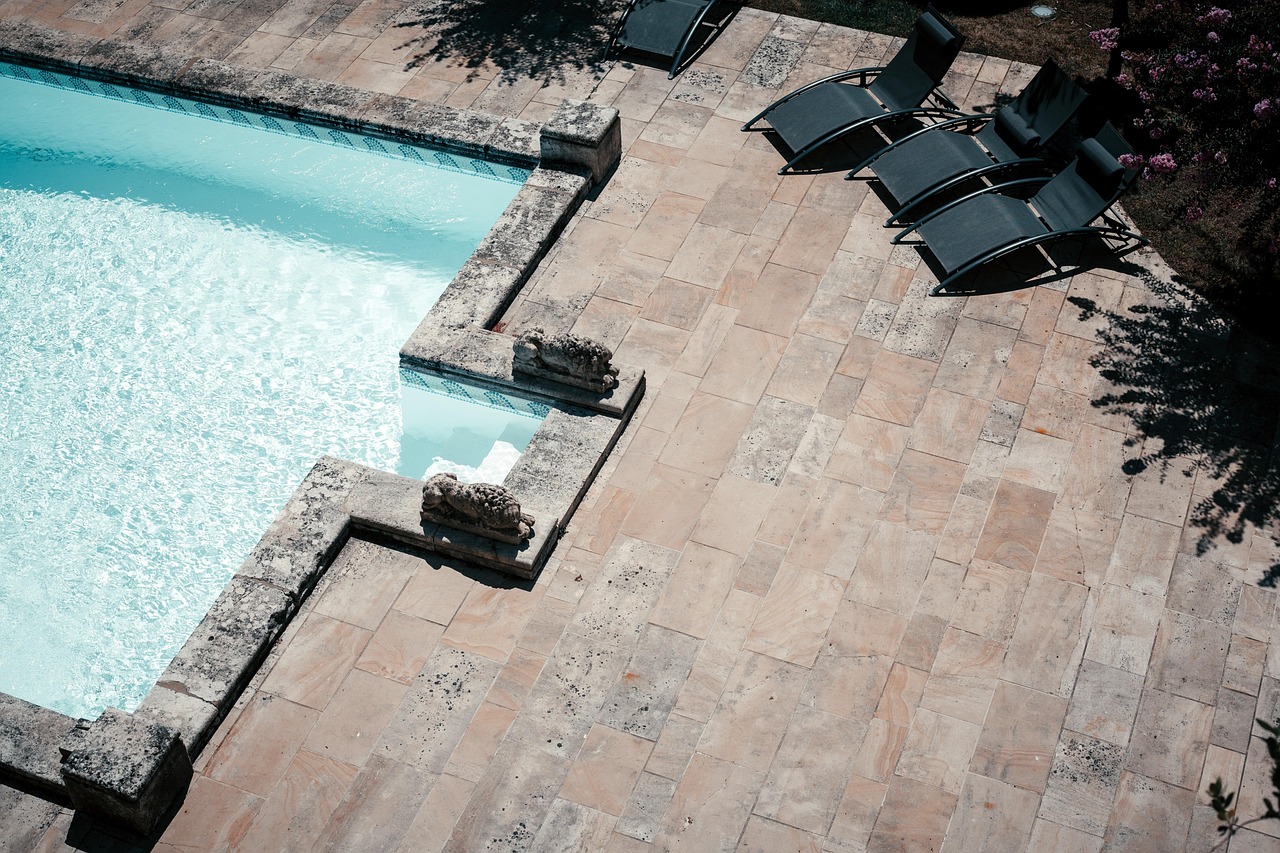

Does a Swimming Pool Add Value to Your Home?
If you’re considering installing a swimming pool, one of the main questions that probably comes to mind is whether it will increase the value of your home. While the enjoyment and fun a pool provides may be enough to justify the investment, it’s important to weigh how it could impact your home’s resale value as well.
Enjoyment vs. Investment
Before diving into the numbers, it’s worth mentioning the intangible benefits of having a pool. The pleasure your family and friends get from summer swims, backyard barbecues, and outdoor relaxation can’t always be measured in dollars. In South Carolina, where hot and humid summers can make cooling off a challenge, having a pool can provide much-needed relief and turn your backyard into a personal oasis. However, if you’re wondering whether you’ll recoup your costs when you sell, that’s where factors like location, market trends, and pool condition come into play.
Key Factors to Consider
-
Neighborhood Trends:
If you live in an area where many homes have pools, adding one could increase your property’s marketability. In some cases, not having a pool might even hurt your home’s resale value. Conversely, if pools are rare in your neighborhood, installing one may not offer the same return on investment. -
Climate Matters:
In warm climates like Florida or Arizona, a pool is often an appealing feature for potential buyers. It can make your home stand out and feel more like a desirable retreat. In cooler climates, however, buyers may not see the same value, especially if they don’t plan to use it year-round. -
Real Estate Market:
If you’re in a fast-moving market where homes sell quickly, the addition of a pool may not be a deterrent to buyers. However, if the market is slower or buyers are more price-conscious, the added cost of a pool might not be fully realized. -
Ongoing Costs
Maintaining a pool involves annual expenses, including $500 to $1,000 for self-managed cleaning and chemical balancing or $80 to $150 per month for professional services, plus $150 to $300 for seasonal opening/closing. Operating a pool pump costs around $300 per year, while heating can add $500 to $800 to utility bills. Homeowners insurance usually covers pools, but increasing liability coverage and adding safety features like childproof fencing can help reduce risks and costs.
While a pool can enhance your lifestyle, its impact on resale value varies. HGTV reports, “Real estate experts estimate that an average 14×28-foot inground concrete pool potentially adds 5 to 8 percent to the real estate value of your home. If your property is worth $400,000, you’ll realize a boost to the value of your property of about $20,000 to $32,000. But the average cost of installing a 14×28-foot inground concrete pool is about $50,000, which means you’ll only recoup a portion of your original pool investment.”
This means that while a pool can increase your home’s appeal, it may not provide a full return on investment. However, in South Carolina, where summers are long and hot, a pool can be a major selling point, especially in areas where outdoor living is highly valued. Adding a swimming pool can be a fun and relaxing upgrade, but it’s important to consider both the upfront and ongoing costs, as well as how it fits into the local real estate market. If you’re in a neighborhood where pools are common and well-maintained, you’re more likely to see a return on investment. Otherwise, the joy and leisure it brings to your family might just be worth the price—whether or not it significantly boosts your home’s resale value.
Read more about the influence a pool has on your property here!